Principle Programs

Partial Hospitalization Program (PHP)
Level of Care: High-intensity day treatment (typically 5 days/week, 4–6 hours/day).
Focus: Serves as a bridge between full residential inpatient care and independent living. Provides intensive medical oversight, psychiatric supervision, and structured therapy during the day while allowing clients to return home or to a supportive sober environment at night.
Intensive Outpatient Program (IOP)
Level of Care: Step-down clinical care (typically 3–5 days/week, 3 hours/day).
Focus: Offers high-accountability therapeutic structure designed around daily life. Clients receive evidence-based group and individual counseling while retaining the flexibility to maintain work, school, or personal commitments.
On-going
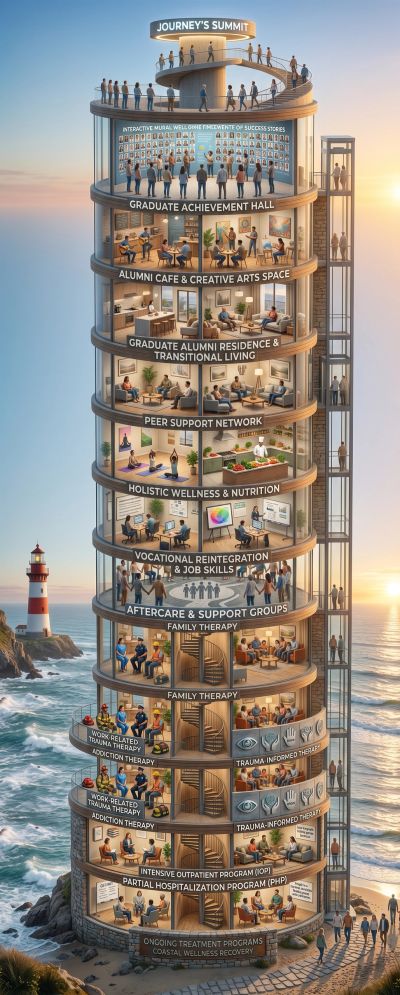
Addiction Therapy
Level of Care: Core clinical modality across all program tiers.
Focus: Targeted psychological intervention addressing substance dependency, chemical reliance, and self-sabotaging behaviors. Utilizes clinical frameworks like Cognitive Behavioral Therapy (CBT), Dialectical Behavior Therapy (DBT), and Relapse Prevention Planning to identify triggers and establish long-term coping mechanisms.
Trauma-Informed Therapy
Level of Care: Specialized clinical modality (Dual Diagnosis).
Focus: Addresses deep-seated psychological trauma, PTSD, and adverse life events that often drive addiction. Employs safety-first, evidence-based practices (such as EMDR or Somatic Processing) to process trauma without re-traumatizing the client.
Work-Related Trauma Therapy
Level of Care: Niche/Specialized professional modality.
Focus: Customized therapeutic care tailored to professionals, first responders, and executives experiencing occupational burnout, severe workplace stress, industrial injuries, or acute job-site incidents. Focuses on stress mitigation, boundary-setting, and restoring professional baseline function.
Family Therapy
Level of Care: Systemic/Relational support modality.
Focus: Involves family members, spouses, or primary support networks in the recovery process. Works to repair broken dynamic bonds, resolve codependency, establish healthy boundaries, and educate loved ones on how to foster a supportive environment.
Aftercare & Support Groups
Level of Care: Long-term recovery maintenance (Post-discharge).
Focus: Continuous peer support networks, alumni programming, and active check-ins designed to maintain long-term sobriety, prevent relapse, and ensure ongoing community accountability after completing formal treatment.